
Understanding Crohn's Disease: Symptoms, Causes, and Treatment
- posted: Dec. 06, 2024
Crohn's disease is a chronic inflammatory condition of the gastrointestinal (GI) tract that can significantly affect daily life. At Waco Gastroenterology Associates in Waco, TX, our gastroenterologists specialize in diagnosing and managing this condition to help patients live more comfortably.
What is Crohn's Disease?
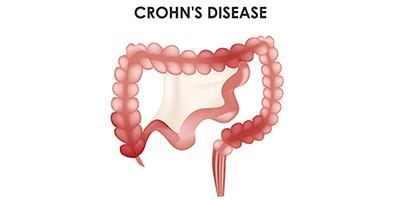
Crohn's disease causes inflammation anywhere in the digestive tract, from the mouth to the anus. However, it most commonly affects the end of the small intestine and the beginning of the colon. Unlike some other GI conditions, Crohn's often penetrates deeply into the bowel wall, leading to more severe complications if left untreated.
Recognizing the Symptoms
Crohn's disease manifests differently for everyone, but some common signs include persistent abdominal pain and cramping, often located in the lower right abdomen. Chronic diarrhea, sometimes accompanied by mucus or blood, is another frequent symptom. Many patients experience fatigue due to inflammation or nutrient deficiencies, while others struggle with unintended weight loss or low-grade fevers. For some, the condition may extend beyond the digestive system, causing symptoms such as mouth sores or joint pain. These signs should always be addressed, as Crohn's can lead to more severe issues like fistulas or bowel obstructions without proper management.
What Causes Crohn's Disease?
While the exact cause remains unclear, several factors are believed to contribute. Genetics plays a role, especially for those with a family history of inflammatory bowel disease (IBD). An overactive immune response may also trigger inflammation in the gut. Additionally, environmental factors, such as smoking and certain diets, are thought to increase the likelihood of developing the condition.
Diagnosing Crohn's Disease
Diagnosing Crohn's disease begins with thoroughly evaluating symptoms and medical history. Your doctor may recommend blood tests for inflammation, anemia, and stool tests to rule out infections. Imaging studies, such as CT scans or MRIs, can provide detailed views of the GI tract. Often, a colonoscopy or endoscopy is performed to confirm the diagnosis and assess the severity of the inflammation.
Treatment and Management
Although Crohn's disease has no cure, treatment can effectively control symptoms and improve quality of life. Medications like anti-inflammatories, immune system suppressors, and biologics are often used to reduce inflammation. Dietary changes, such as avoiding trigger foods and focusing on nutrient-dense meals, can also provide relief. In severe cases, surgery may be necessary to remove damaged portions of the digestive tract. Lifestyle changes, including stress management, regular exercise, and quitting smoking, are equally important in managing the condition. Each patient’s treatment plan is tailored to their unique needs to ensure optimal outcomes.
Why Choose Waco Gastroenterology Associates?
We are dedicated to providing compassionate, patient-focused care at Waco Gastroenterology Associates in Waco, TX. From initial diagnosis to ongoing management, our team guides you every step of the way. With expertise in Crohn's disease, we offer comprehensive treatment options to help you take control of your health.
Take the First Step Toward Relief
If you’re experiencing symptoms of Crohn's disease, don’t wait to seek help. Call Waco Gastroenterology Associates in Waco, TX, at (254) 537-0911 today to schedule your consultation. Let us help you manage your condition and improve your quality of life.
- posted: Dec. 06, 2024
Crohn's disease is a chronic inflammatory condition of the gastrointestinal (GI) tract that can significantly affect daily life. At Waco Gastroenterology Associates in Waco, TX, our gastroenterologists specialize in diagnosing and managing this condition to help patients live more comfortably.
What is Crohn's Disease?
Crohn's disease causes inflammation anywhere in the digestive tract, from the mouth to the anus. However, it most commonly affects the end of the small intestine and the beginning of the colon. Unlike some other GI conditions, Crohn's often penetrates deeply into the bowel wall, leading to more severe complications if left untreated.
Recognizing the Symptoms
Crohn's disease manifests differently for everyone, but some common signs include persistent abdominal pain and cramping, often located in the lower right abdomen. Chronic diarrhea, sometimes accompanied by mucus or blood, is another frequent symptom. Many patients experience fatigue due to inflammation or nutrient deficiencies, while others struggle with unintended weight loss or low-grade fevers. For some, the condition may extend beyond the digestive system, causing symptoms such as mouth sores or joint pain. These signs should always be addressed, as Crohn's can lead to more severe issues like fistulas or bowel obstructions without proper management.
What Causes Crohn's Disease?
While the exact cause remains unclear, several factors are believed to contribute. Genetics plays a role, especially for those with a family history of inflammatory bowel disease (IBD). An overactive immune response may also trigger inflammation in the gut. Additionally, environmental factors, such as smoking and certain diets, are thought to increase the likelihood of developing the condition.
Diagnosing Crohn's Disease
Diagnosing Crohn's disease begins with thoroughly evaluating symptoms and medical history. Your doctor may recommend blood tests for inflammation, anemia, and stool tests to rule out infections. Imaging studies, such as CT scans or MRIs, can provide detailed views of the GI tract. Often, a colonoscopy or endoscopy is performed to confirm the diagnosis and assess the severity of the inflammation.
Treatment and Management
Although Crohn's disease has no cure, treatment can effectively control symptoms and improve quality of life. Medications like anti-inflammatories, immune system suppressors, and biologics are often used to reduce inflammation. Dietary changes, such as avoiding trigger foods and focusing on nutrient-dense meals, can also provide relief. In severe cases, surgery may be necessary to remove damaged portions of the digestive tract. Lifestyle changes, including stress management, regular exercise, and quitting smoking, are equally important in managing the condition. Each patient’s treatment plan is tailored to their unique needs to ensure optimal outcomes.
Why Choose Waco Gastroenterology Associates?
We are dedicated to providing compassionate, patient-focused care at Waco Gastroenterology Associates in Waco, TX. From initial diagnosis to ongoing management, our team guides you every step of the way. With expertise in Crohn's disease, we offer comprehensive treatment options to help you take control of your health.
Take the First Step Toward Relief
If you’re experiencing symptoms of Crohn's disease, don’t wait to seek help. Call Waco Gastroenterology Associates in Waco, TX, at (254) 537-0911 today to schedule your consultation. Let us help you manage your condition and improve your quality of life.
Main Location
364 Richland West Cir.,
Suite A,
Waco, TX 76712
Office Hours
Monday
8:00 am - 5:00 pm
Tuesday
8:00 am - 5:00 pm
Wednesday
8:00 am - 5:00 pm
Thursday
8:00 am - 5:00 pm
Friday
8:00 am - 5:00 pm
Saturday
Closed
Sunday
Closed