
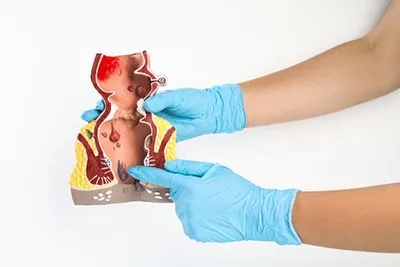
Hemorrhoids are swollen blood vessels located in the lower rectum and anus. Although they can be uncomfortable and sometimes painful, they are a common condition affecting millions worldwide. Hemorrhoids are often associated with symptoms like itching, discomfort, and bleeding, but they can also be managed and treated effectively. It’s important to understand how hemorrhoids can affect you and what you can do to treat and prevent them in the future.
Dealing With Hemorrhoids
Hemorrhoids are swollen veins in the rectal and anal area that can develop due to increased pressure on these veins. Hemorrhoids can be internal or external. Internal hemorrhoids occur inside the rectum and are usually painless but can cause rectal bleeding. Since they are located internally, they may go unnoticed until bleeding occurs during bowel movements. In more severe cases, internal hemorrhoids can prolapse, meaning they extend outside the anus, causing discomfort and irritation.
External hemorrhoids form under the skin around the anus. These are often more noticeable because they can cause pain, swelling, and itching. Blood clots can sometimes form in external hemorrhoids, leading to a particularly painful condition called a thrombosed hemorrhoid.
Several factors can contribute to hemorrhoid development. These factors include:
- Straining during bowel movements
- Prolonged sitting
- Chronic diarrhea or constipation
- Pregnancy
- Obesity
- Frequent heavy lifting
- Aging
Symptoms can vary depending on the type and severity of your hemorrhoids. Common symptoms include:
- Rectal bleeding
- Itching and irritation
- Pain or discomfort
- Swelling or lumps
Fortunately, hemorrhoids can often be managed and treated with a combination of lifestyle changes, home remedies, and medical treatments. A fiber-rich diet can soften stools and make them easier to pass, reducing strain during bowel movements. Foods like fruits, vegetables, whole grains, and legumes are excellent sources of fiber. Drinking plenty of water helps prevent constipation and softens stools, minimizing the risk of hemorrhoids. Try to avoid prolonged straining during bowel movements. If you’re having trouble, consider using a stool softener or laxative temporarily, but only under the guidance of your doctor.
Contact Our Gastroenterologist Today
Make sure you understand how hemorrhoids can affect you. Contact your gastroenterologists at Waco Gastroenterology Associates in Waco, TX, at (254) 537-0911 today.
