
Is ERCP the Right Choice for Your Digestive Health Concerns?
- posted: Jan. 09, 2025
If you have digestive issues, a gastroenterologist can help. Your gastroenterologist may recommend ERCP, or endoscopic retrograde cholangiopancreatography, as a diagnostic and treatment option. The gastroenterologists at Waco Gastroenterology Associates in Waco, TX, offer a full range of gastrointestinal services, including ERCP.
How ERCP Can Help You
An ERCP is a procedure to view and treat conditions in the bile and pancreatic ducts. The bile ducts carry bile from the liver to the gallbladder and small intestine. The pancreatic ducts carry fluid from the pancreas into the small intestine.
The ERCP procedure is the right choice for:
- Opening the entrance of the ducts into the bowel
- Stretching narrow areas of the ducts
- Draining blocked areas
- Removing or destroying gallstones
- Diagnosis of biliary cholangitis or sclerosing cholangitis
- Taking samples of tissue to aid in the diagnosis of tumors or cancers
To prepare for an ERCP procedure, you must stop eating or drinking anything for at least 4 hours before the procedure. Tell your provider if you have any allergies, including allergies to iodine or dyes.
You will be sedated during your ERCP procedure using IV sedation, so it’s important to bring someone with you who can drive you home after your procedure. During the ERCP, you must lie on your stomach or left side. Your provider will administer a sedative and may use a numbing spray on your throat.
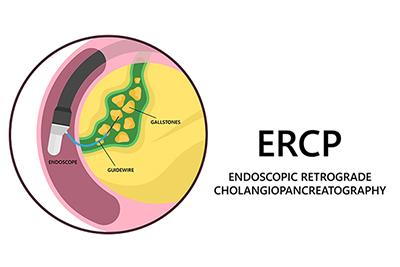
During the ERCP procedure, your provider will insert a thin tube with a camera attached to one end, known as an endoscope, into your mouth. The tube is then guided down your throat and stomach until it reaches the small intestine. A catheter is inserted into the endoscope, and dye is injected into the ducts. Images of the ducts are taken.
After an ERCP, you may experience gas and bloating for about 24 hours. You may also experience a sore throat for the next 3 to 4 days. Avoid strenuous activity for the first 48 hours after your procedure. Your provider may recommend drinking only fluids and eating light, small meals for the first day after your ERCP.
Want To Know More About ERCP?
Talk with the experts to learn whether ERCP is the right choice for your digestive concerns. Call the gastroenterologists at Waco Gastroenterology Associates in Waco, TX. You can reach them in the office by calling (254) 537-0911, so call today.
- posted: Jan. 09, 2025
If you have digestive issues, a gastroenterologist can help. Your gastroenterologist may recommend ERCP, or endoscopic retrograde cholangiopancreatography, as a diagnostic and treatment option. The gastroenterologists at Waco Gastroenterology Associates in Waco, TX, offer a full range of gastrointestinal services, including ERCP.
How ERCP Can Help You
An ERCP is a procedure to view and treat conditions in the bile and pancreatic ducts. The bile ducts carry bile from the liver to the gallbladder and small intestine. The pancreatic ducts carry fluid from the pancreas into the small intestine.
The ERCP procedure is the right choice for:
- Opening the entrance of the ducts into the bowel
- Stretching narrow areas of the ducts
- Draining blocked areas
- Removing or destroying gallstones
- Diagnosis of biliary cholangitis or sclerosing cholangitis
- Taking samples of tissue to aid in the diagnosis of tumors or cancers
To prepare for an ERCP procedure, you must stop eating or drinking anything for at least 4 hours before the procedure. Tell your provider if you have any allergies, including allergies to iodine or dyes.
You will be sedated during your ERCP procedure using IV sedation, so it’s important to bring someone with you who can drive you home after your procedure. During the ERCP, you must lie on your stomach or left side. Your provider will administer a sedative and may use a numbing spray on your throat.
During the ERCP procedure, your provider will insert a thin tube with a camera attached to one end, known as an endoscope, into your mouth. The tube is then guided down your throat and stomach until it reaches the small intestine. A catheter is inserted into the endoscope, and dye is injected into the ducts. Images of the ducts are taken.
After an ERCP, you may experience gas and bloating for about 24 hours. You may also experience a sore throat for the next 3 to 4 days. Avoid strenuous activity for the first 48 hours after your procedure. Your provider may recommend drinking only fluids and eating light, small meals for the first day after your ERCP.
Want To Know More About ERCP?
Talk with the experts to learn whether ERCP is the right choice for your digestive concerns. Call the gastroenterologists at Waco Gastroenterology Associates in Waco, TX. You can reach them in the office by calling (254) 537-0911, so call today.
Main Location
364 Richland West Cir.,
Suite A,
Waco, TX 76712
Office Hours
Monday
8:00 am - 5:00 pm
Tuesday
8:00 am - 5:00 pm
Wednesday
8:00 am - 5:00 pm
Thursday
8:00 am - 5:00 pm
Friday
8:00 am - 5:00 pm
Saturday
Closed
Sunday
Closed